
The 10 Best Science YouTube Channels for 6-Year-Olds
The best science channels for 6-year-olds are SciShow Kids, Free School and Mystery Science — all three answer real questions with real science, pitched exactly at early-elementary level. Ranked below by Vidling's AI safety review, this list turns the eternal 'why?' phase into actual knowledge.
-
Ages 5–9 · Science · Safety Score 95
Jessi and robot rat Squeaks answer real science questions — weird caterpillars, animal tusks, yucky creatures — with accuracy the adult SciShow brand is known for. The best pure science-explainer channel for the 5-to-9 window, full stop.
-
Ages 5–12 · Science · Safety Score 95
A quiet, narrated encyclopedia for kids: frogs, black holes, bees, famous art and classical music, each topic given a calm ten-minute treatment. There is no host and no hype — it is the closest thing on YouTube to a really good school library video collection.
-
Ages 3–12 · Science · Safety Score 92
A sprawling multilingual education studio: alphabet raps, animal songs, geography flags, hundreds of curriculum topics. Breadth is the superpower — whatever the school topic this month, Smile and Learn probably has a tidy animated take on it.
-
Ages 6–12 · Science · Safety Score 95
The question-first science channel used in a huge share of US elementary schools: are vampires real, why can't dogs eat chocolate, what makes candy sour. Each video starts from a question kids actually ask and reasons its way to the answer — teaching the method, not just the fact.
-
Ages 2–6 · Science · Safety Score 92
Trucks, trains and 3D animation in the service of first maths and vocabulary — skip counting with dump trucks, prepositions with fun vehicles. Made for the vehicle-obsessed toddler who will absorb numbers as long as a monster truck delivers them.

-
Ages 5–8 · Science · Safety Score 88
STEM lessons pitched precisely at Grade 1 — floating and sinking, animal habitats, first coding concepts. Structured like short school units rather than entertainment, which makes it a reliable supplement for 5-to-8-year-olds.
-
Ages 6–11 · Science · Safety Score 92
Fast, cheerful whiteboard-style lessons on the full elementary curriculum — figurative language, economics, temperature scales. Ideal for a 6-to-11-year-old who needs a topic explained a second way after school, or for homeschool families building a lesson day.
-
Ages 6–11 · Science · Safety Score 89
Animated science songs and explainers on the big-ticket topics — black holes, the solar system, how lungs work. Concepts get a melody and a visual, which helps them stick with early-primary kids who aren't reading textbooks yet.
-
Ages 6–12 · Science · Safety Score 88
Actual graded science lessons — Grade 4 food chains, Grade 5 energy transformations, bicycle gear systems — produced like a good online school. When you want screen time that maps directly to the school syllabus, this is it.
-
Ages 6–12 · Science · Safety Score 88
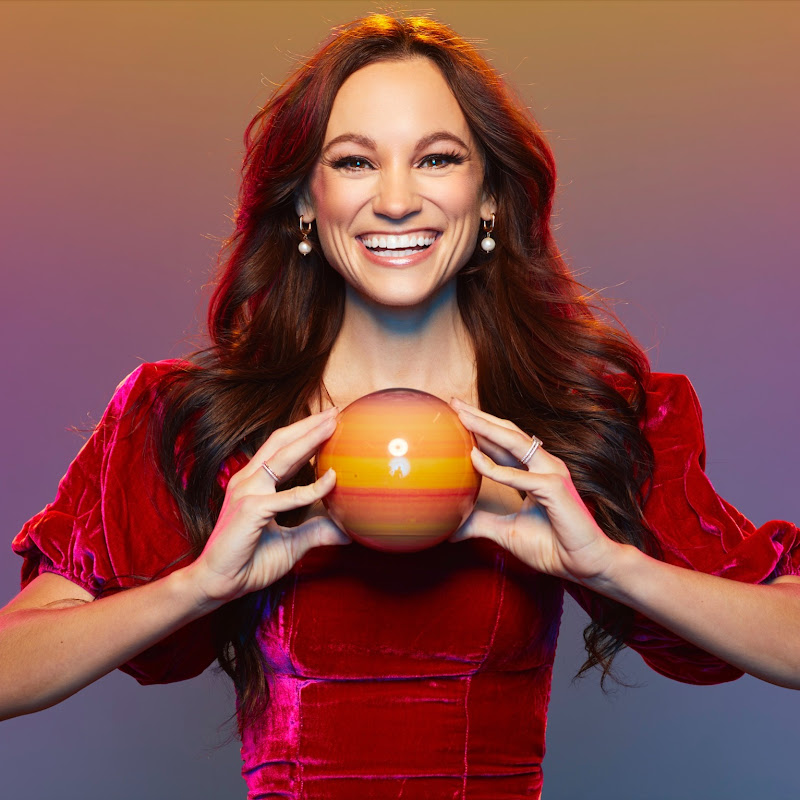
MIT-trained engineer and Netflix science host doing real kitchen-table experiments — dry-ice bubbles, colour-changing slime, mega crystals. Short, punchy demos a family can actually repeat at home, fronted by one of the best science role models on the platform.

How this list is ranked
Every channel in the Vidling catalog is reviewed by an AI safety pipeline that scores real uploads — pacing, language, age fit, content risks — on a 0–100 scale, then ranks them for a true age-6 fit. Read the full methodology.
Frequently asked questions
How do I know a kids' science channel is accurate?
Look at who's behind it: SciShow Kids shares an editorial process with a major adult science brand, Mystery Science was built by educators and is used across US elementary schools. Provenance beats production value — and it's one of the signals Vidling's channel review weighs.
What science topics fascinate 6-year-olds most?
Animals doing extreme things, space, the human body, and anything gross — which is why 'the yuckiest animals' and 'why can't dogs eat chocolate' outperform textbook topics. Good channels use that fascination as the doorway into method: observe, ask, test.
Can science videos replace hands-on experiments?
No — but they're excellent triggers. Channels like Emily Calandrelli's demo experiments simple enough to repeat in the kitchen; the video does its best work when it ends with 'can we try that?'